Reverse zoonosis
Reverse zoonosis (also known as zooanthroponosis) is a disease that can be transmitted from humans to animals. It is a relatively rare occurrence compared to the more common zoonosis, which is the transmission of disease from animals to humans. However, reverse zoonosis is becoming increasingly recognized as a significant issue in veterinary medicine and public health.
Overview[edit]
Reverse zoonosis occurs when humans transmit pathogens to animals. This can occur through direct contact, such as touching or handling an animal, or through indirect contact, such as through contaminated surfaces or food. The pathogens can be bacteria, viruses, fungi, or parasites. Some examples of diseases that can be transmitted from humans to animals include tuberculosis, methicillin-resistant Staphylococcus aureus (MRSA), and influenza.
Transmission[edit]
The transmission of diseases from humans to animals can occur in a variety of settings, including homes, farms, zoos, and veterinary clinics. The risk of transmission is increased in situations where humans and animals are in close contact, such as pet owners who sleep with their pets or farm workers who handle animals regularly.
Prevention[edit]
Prevention of reverse zoonosis involves practicing good hygiene, such as washing hands before and after handling animals, and avoiding close contact with animals when sick. Vaccination of pets and livestock can also help prevent the spread of diseases.
Impact[edit]
The impact of reverse zoonosis can be significant, particularly in situations where the disease can then be transmitted from the infected animal to other animals or back to humans. This can lead to outbreaks of disease in animal populations, with potential impacts on wildlife conservation, agriculture, and public health.
See also[edit]
References[edit]

This WikiMD article can only be edited by registered and verified editors. You can log in or register.
-
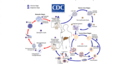 Reverse zoonosis
 -
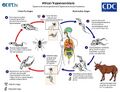 Reverse zoonosis
 -
 Reverse zoonosis
 -
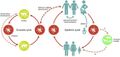 Reverse zoonosis
 -
 Reverse zoonosis
 -
 Reverse zoonosis


Medical Disclaimer: WikiMD is for informational purposes only and is not a substitute for professional medical advice. Content may be inaccurate or outdated and should not be used for diagnosis or treatment. Always consult your healthcare provider for medical decisions. Verify information with trusted sources such as CDC.gov and NIH.gov. By using this site, you agree that WikiMD is not liable for any outcomes related to its content. See full disclaimer.
Credits:Most images are courtesy of Wikimedia commons, and templates, categories Wikipedia, licensed under CC BY SA or similar.
Translate page: - East Asian
中文,
日本,
한국어,
South Asian
हिन्दी,
தமிழ்,
తెలుగు,
Urdu,
ಕನ್ನಡ,
Southeast Asian
Indonesian,
Vietnamese,
Thai,
မြန်မာဘာသာ,
বাংলা
European
español,
Deutsch,
français,
Greek,
português do Brasil,
polski,
română,
русский,
Nederlands,
norsk,
svenska,
suomi,
Italian
Middle Eastern & African
عربى,
Turkish,
Persian,
Hebrew,
Afrikaans,
isiZulu,
Kiswahili,
Other
Bulgarian,
Hungarian,
Czech,
Swedish,
മലയാളം,
मराठी,
ਪੰਜਾਬੀ,
ગુજરાતી,
Portuguese,
Ukrainian

