File:Diseases of infancy and childhood (1914) (14791818933).jpg
Original file (2,004 × 1,356 pixels, file size: 424 KB, MIME type: image/jpeg)
Summary[edit]
| Summary | |
|---|---|
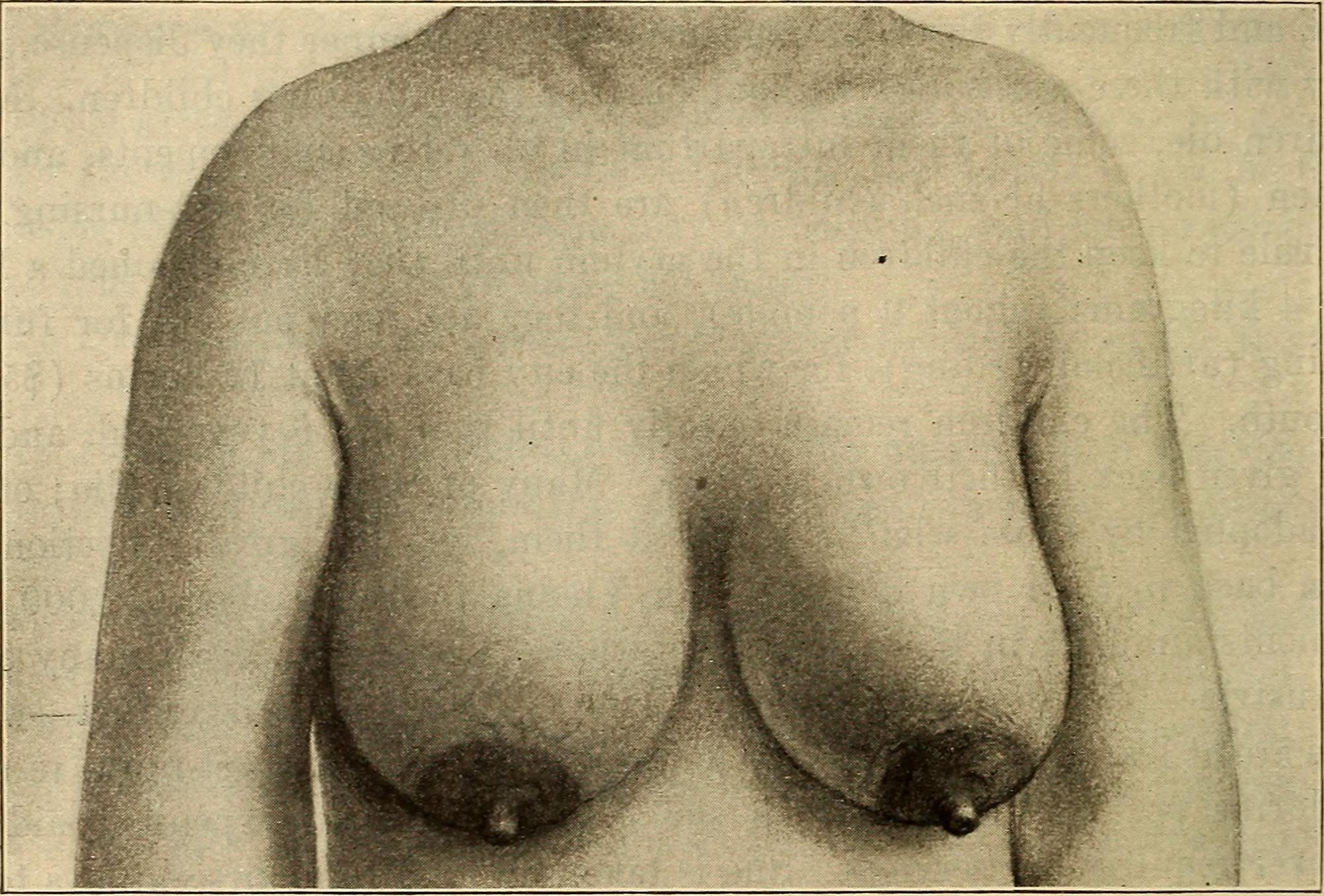
| Description | "Pear-shaped Breasts, Best Adapted for Nursing."
Identifier: diseasesofinfan00fisc (find matches) Title: Diseases of infancy and childhood Year: 1914 (1910s) Authors: Fischer, Louis, 1864- (from old catalog) Subjects: Children Publisher: Philadelphia, F. A. Davis company (etc., etc.) Contributing Library: The Library of Congress Digitizing Sponsor: The Library of Congress View Book Page: Book Viewer About This Book: Catalog Entry View All Images: All Images From Book Click here to view book online to see this illustration in context in a browseable online version of this book. Text Appearing Before Image: andthe Princess of Bulgaria took a wet-nurse from Iglau for lier last ciiild.Not only Iglau, but the whole region, is renowned for its excellent qualityof wet-nurses. The r)oliemian and ^Inhreu nurses have very good uuunnuv.They seem to love the children entrusted to them. In AuuM-iea the wet-nurses are uneducated servants. 106 NUTRITION, While it is a rule that a wet-nurse should be taken for an infant of thesame age as that of her own, frequently wet-nursing of an infant at birthby a wet-nurse whose baby is three months old has not been followed by anybad results. In Xew York we are at a decided disadvantage regarding wet-nurses.As no licensed agents exist, a few people procure wet-nurses from superin-tendents and house physicians of hospitals where obstetrical work is done. The importance of properly supervising wet-nurses in the light of thedanger of transmitting syphilis needs no further comment. The HealthDepartment in every city should grant the use of their laboratories for a Text Appearing After Image: Fig. 36.—Pear-shaped Breasts, Best Adapted for Nursing. (Original.) careful blood examination of each and every wet-nurse. It is as importantto prevent the transmission of syphilis to a child as it is to give an im-munizing dose of antitoxin to prevent diphtheria. Being positive that the blood of the wet-nurse is not diseased, ournext examination should be of the milk. A wet-nurse whose milk containscolostrum corpuscles should be rejected until the colostrum corpuscles haA^edisappeared. The chemical examination of the milk should be made toascertain the percentage of fat. Milk that contains more than 2 per cent,of fat should not be used. If the wet-nurse selected has an exceptionallylarge quantity of milk and is otherwise healthy, then the milk, if it containstoo much fat, may be pumped off with a breast-pump and diluted withwater, and so fed from a nursing bottle. It is a pity that we have no municipal control for what the writerconsiders one of the most valuable adjuncts to our in Note About Images Please note that these images are extracted from scanned page images that may have been digitally enhanced for readability - coloration and appearance of these illustrations may not perfectly resemble the original work. |
| Source | Wikimedia Commons file page |
| Author | Internet Archive Book Images |
| Permission | See original Commons license details. |
Licensing[edit]
License: No restrictions
License page: No restrictions
Original attribution and file history: Wikimedia Commons
File history
Click on a date/time to view the file as it appeared at that time.
| Date/Time | Thumbnail | Dimensions | User | Comment | |
|---|---|---|---|---|---|
| current | 13:38, 8 June 2026 | | 2,004 × 1,356 (424 KB) | Maintenance script (talk | contribs) | == Summary == Importing file |
You cannot overwrite this file.
File usage
The following file is a duplicate of this file (more details):
- File:Diseases of infancy and childhood (1914) (14791818933).jpg from Wikimedia Commons
The following page uses this file:


_(14791818933).jpg&action=edit§ion=1)
_(14791818933).jpg)
_(14791818933).jpg&action=edit§ion=2)
_(14791818933).jpg)
_(14791818933).jpg&oldid=6603715)