File:Tumour stroma and extracellular matrix in hypoxia.svg
From WikiMD's WELLNESSPEDIA
Size of this PNG preview of this SVG file: 512 × 390 pixels. Other resolution: 2,560 × 1,950 pixels.
Original file (SVG file, nominally 512 × 390 pixels, file size: 457 KB)
Summary[edit]
| Summary | |
|---|---|
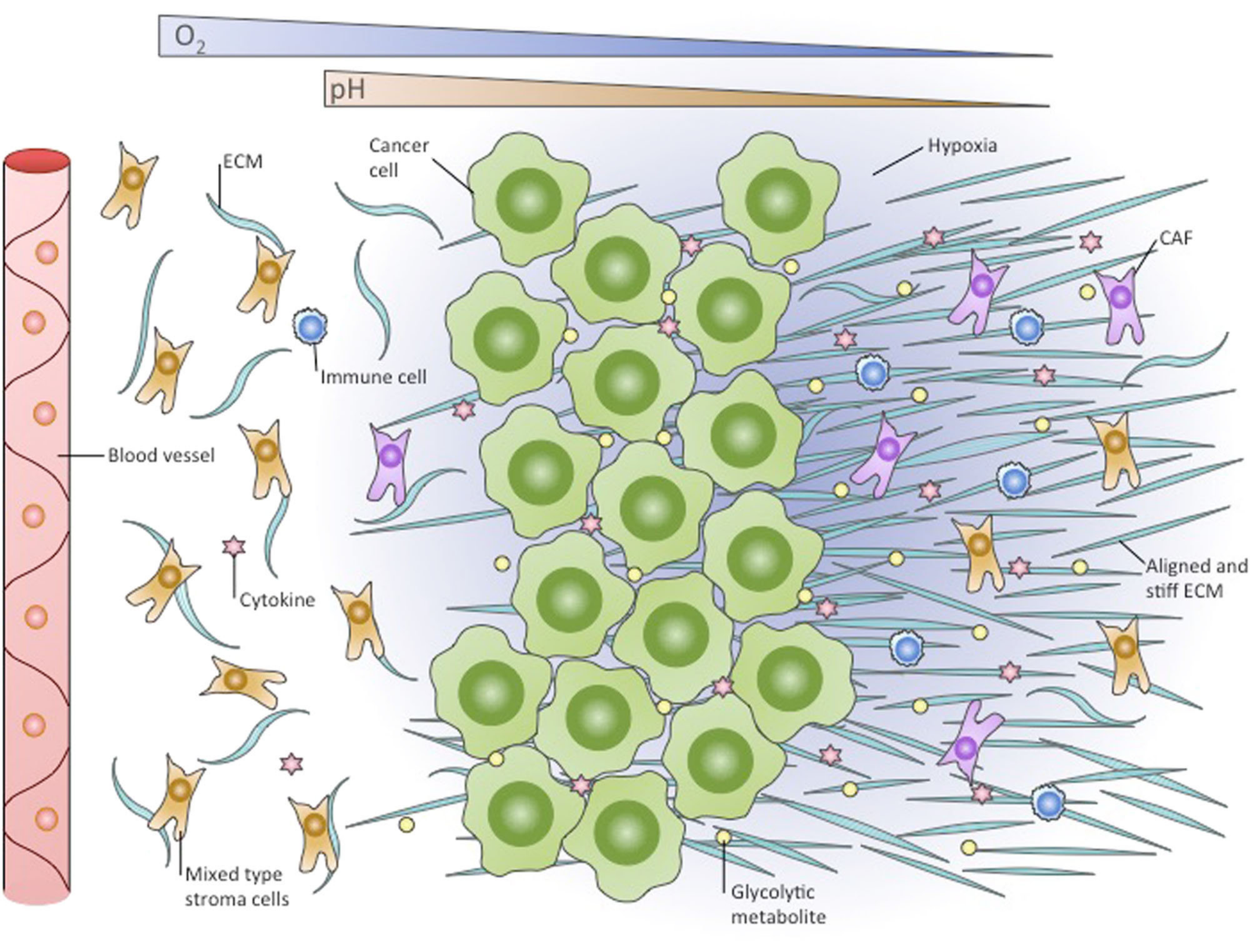
| Description | A rapidly growing tumour leads to a reduction in the oxygen supply of the cancer and in tumour stromal cells that are far from the blood vessels. In hypoxia, these cells switch to glycolytic metabolism, which contributes to the acidification of the tumour microenvironment. Produced glycolytic metabolites such as lactate can be utilised by cancer cells and promote tumour growth. The hypoxic microenvironment is also enriched in diverse types of immune cells, and many of them are recruited from the circulation. Cytokine expression by tumour and stromal cells is altered by hypoxia. In particular, hypoxic cancer cells produce signalling molecules that promote the transformation of fibroblasts into CAFs. Together with cancer cells, in hypoxia, CAFs produce an ECM that is stiff and aligned, different from a normoxic ECM, and support cell migration. CAF cancer-associated fibroblasts, ECM extracellular matrix. [1] |
| Source | Wikimedia Commons file page |
| Author | Varvara Petrova, Margherita Annicchiarico-Petruzzelli, Gerry Melino & Ivano Amelio |
| Permission | See original Commons license details. |
Licensing[edit]
Creative Commons Attribution 4.0 International (CC BY 4.0)
This file is licensed under the Creative Commons Attribution 4.0 International license.
You may share and adapt the material provided appropriate attribution is given.
Official license: CC BY 4.0
License page: CC BY 4.0
Original attribution and file history: Wikimedia Commons
File history
Click on a date/time to view the file as it appeared at that time.
| Date/Time | Thumbnail | Dimensions | User | Comment | |
|---|---|---|---|---|---|
| current | 03:41, 2 June 2026 | | 512 × 390 (457 KB) | Maintenance script (talk | contribs) | == Summary == Importing file |
You cannot overwrite this file.
File usage
The following 2 pages use this file:


