Autoimmune polyendocrine syndrome type 2

Editor-In-Chief: Prab R Tumpati, MD
Obesity, Sleep & Internal medicine
Founder, WikiMD Wellnesspedia &
W8MD's weight loss doctor NYC
Philadelphia GLP-1 weight loss and GLP-1 clinic NYC
| Autoimmune polyendocrine syndrome type 2 | |
|---|---|

| |
| Synonyms | Schmidt syndrome |
| Pronounce | N/A |
| Specialty | N/A |
| Symptoms | Adrenal insufficiency, hypothyroidism, type 1 diabetes |
| Complications | Addisonian crisis, myxedema coma, diabetic ketoacidosis |
| Onset | Typically in adulthood |
| Duration | Chronic |
| Types | N/A |
| Causes | Autoimmune disease |
| Risks | Genetic predisposition, HLA-DR3, HLA-DR4 |
| Diagnosis | Clinical evaluation, blood tests for hormone levels, autoantibody testing |
| Differential diagnosis | Autoimmune polyendocrine syndrome type 1, isolated autoimmune conditions |
| Prevention | N/A |
| Treatment | Hormone replacement therapy, immunosuppressive drugs |
| Medication | Hydrocortisone, levothyroxine, insulin |
| Prognosis | Variable, depends on management of individual conditions |
| Frequency | Rare |
| Deaths | N/A |
Autoimmune Polyendocrine Syndrome Type 2 (APS-2), also known as Schmidt's syndrome, is a complex autoimmune disorder characterized by the coexistence of at least two autoimmune diseases, including Addison's disease, thyroid autoimmune diseases (such as Graves' disease or Hashimoto's thyroiditis), and type 1 diabetes mellitus. This syndrome is more common in females and typically presents in adulthood.
Etiology and Pathogenesis[edit]
The exact cause of APS-2 is unknown, but it is believed to involve a combination of genetic predisposition and environmental factors. The HLA-DQ gene is often associated with the syndrome, suggesting a strong genetic component. Environmental triggers may include viral infections, stress, and other unknown factors that initiate an autoimmune response in genetically susceptible individuals.
Clinical Manifestations[edit]
APS-2 presents with a variety of symptoms depending on the specific autoimmune diseases involved. Common manifestations include:
- Addison's disease symptoms: fatigue, weight loss, skin hyperpigmentation, low blood pressure, and salt craving.
- Thyroid autoimmune diseases symptoms: depending on whether the patient has Graves' disease (hyperthyroidism) or Hashimoto's thyroiditis (hypothyroidism), symptoms can include weight changes, mood swings, heat or cold intolerance, and changes in heart rate.
- Type 1 diabetes mellitus symptoms: increased thirst and urination, weight loss, fatigue, and blurred vision.
Diagnosis[edit]
Diagnosis of APS-2 involves a combination of clinical evaluation and laboratory tests. Key diagnostic tests include:
- Autoantibody tests: to detect antibodies against the adrenal cortex, thyroid, and pancreatic islet cells.
- Hormone level tests: to assess the function of the affected glands (e.g., cortisol, thyroid hormones, and insulin).
- Imaging studies: such as ultrasound or CT scans, may be used to evaluate the structure of the thyroid gland and adrenal glands.
Treatment[edit]
Treatment of APS-2 focuses on managing the symptoms of the individual autoimmune diseases involved and may require a multidisciplinary approach. Common treatments include:
- Corticosteroids: for Addison's disease to replace the deficient hormones.
- Thyroid hormone replacement therapy: for Hashimoto's thyroiditis.
- Antithyroid drugs or radioactive iodine therapy: for Graves' disease.
- Insulin therapy: for type 1 diabetes mellitus.
Regular monitoring and adjustments of therapy are essential due to the progressive nature of these autoimmune diseases.
Prognosis[edit]
With appropriate treatment and monitoring, individuals with APS-2 can manage their symptoms and maintain a relatively normal quality of life. However, they must remain vigilant for the development of additional autoimmune diseases.
Epidemiology[edit]
APS-2 is less common than Autoimmune Polyendocrine Syndrome Type 1 (APS-1) but is more prevalent in certain populations, particularly those of Northern European descent. It typically presents in adulthood, with a higher incidence in females.
Autoimmune polyendocrine syndrome type 2[edit]
-
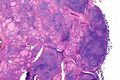 Hashimoto thyroiditis
 -
Autoimmune polyendocrine syndrome type 2
-
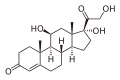 Cortisol


See Also[edit]
 | This medical article is a stub. You can help WikiMD by expanding the page. |

Medical Disclaimer: WikiMD is for informational purposes only and is not a substitute for professional medical advice. Content may be inaccurate or outdated and should not be used for diagnosis or treatment. Always consult your healthcare provider for medical decisions. Verify information with trusted sources such as CDC.gov and NIH.gov. By using this site, you agree that WikiMD is not liable for any outcomes related to its content. See full disclaimer.
Credits:Most images are courtesy of Wikimedia commons, and templates, categories Wikipedia, licensed under CC BY SA or similar.
Translate page: - East Asian
中文,
日本,
한국어,
South Asian
हिन्दी,
தமிழ்,
తెలుగు,
Urdu,
ಕನ್ನಡ,
Southeast Asian
Indonesian,
Vietnamese,
Thai,
မြန်မာဘာသာ,
বাংলা
European
español,
Deutsch,
français,
Greek,
português do Brasil,
polski,
română,
русский,
Nederlands,
norsk,
svenska,
suomi,
Italian
Middle Eastern & African
عربى,
Turkish,
Persian,
Hebrew,
Afrikaans,
isiZulu,
Kiswahili,
Other
Bulgarian,
Hungarian,
Czech,
Swedish,
മലയാളം,
मराठी,
ਪੰਜਾਬੀ,
ગુજરાતી,
Portuguese,
Ukrainian


