Bevonium
Bevonium is a quinoline derivative drug used in the treatment of gastrointestinal disorders. It is classified as an antispasmodic and anticholinergic agent, which means it is used to relieve spasms or cramping in the stomach, intestines, and bladder. Bevonium is not commonly used today due to the development of newer, more effective medications.
Pharmacology[edit]
Bevonium works by blocking the action of acetylcholine, a neurotransmitter that transmits signals in the nervous system. By blocking acetylcholine, Bevonium reduces the activity of the parasympathetic nervous system, which controls involuntary bodily functions such as digestion. This results in a decrease in stomach acid production and a reduction in muscle spasms in the gastrointestinal tract.
Medical Uses[edit]
Bevonium is used to treat a variety of gastrointestinal disorders, including irritable bowel syndrome (IBS), peptic ulcer disease, and gastroesophageal reflux disease (GERD). It can also be used to treat disorders of the urinary tract, such as overactive bladder.
Side Effects[edit]
Like all medications, Bevonium can cause side effects. The most common side effects include dry mouth, blurred vision, and constipation. Less common side effects can include confusion, dizziness, and difficulty urinating.
History[edit]
Bevonium was first synthesized in the 1950s and was widely used in the treatment of gastrointestinal disorders throughout the 20th century. However, its use has declined in recent years due to the development of newer, more effective medications.
See Also[edit]
- Antispasmodic
- Anticholinergic
- Gastrointestinal disorders
- Acetylcholine
- Parasympathetic nervous system

-
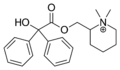 Bevonium


Medical Disclaimer: WikiMD is for informational purposes only and is not a substitute for professional medical advice. Content may be inaccurate or outdated and should not be used for diagnosis or treatment. Always consult your healthcare provider for medical decisions. Verify information with trusted sources such as CDC.gov and NIH.gov. By using this site, you agree that WikiMD is not liable for any outcomes related to its content. See full disclaimer.
Credits:Most images are courtesy of Wikimedia commons, and templates, categories Wikipedia, licensed under CC BY SA or similar.
Translate page: - East Asian
中文,
日本,
한국어,
South Asian
हिन्दी,
தமிழ்,
తెలుగు,
Urdu,
ಕನ್ನಡ,
Southeast Asian
Indonesian,
Vietnamese,
Thai,
မြန်မာဘာသာ,
বাংলা
European
español,
Deutsch,
français,
Greek,
português do Brasil,
polski,
română,
русский,
Nederlands,
norsk,
svenska,
suomi,
Italian
Middle Eastern & African
عربى,
Turkish,
Persian,
Hebrew,
Afrikaans,
isiZulu,
Kiswahili,
Other
Bulgarian,
Hungarian,
Czech,
Swedish,
മലയാളം,
मराठी,
ਪੰਜਾਬੀ,
ગુજરાતી,
Portuguese,
Ukrainian

