Carbon nanotube
Carbon nanotubes (CNTs) are allotropes of carbon with a cylindrical nanostructure. These cylindrical carbon molecules have unusual properties, which are valuable for nanotechnology, electronics, optics and other fields of materials science and technology. Owing to the material's exceptional strength and stiffness, nanotubes have been constructed with length-to-diameter ratio of up to 132,000,000:1, which is significantly larger than for any other material.
Structure[edit]
Carbon nanotubes are composed of carbon atoms linked in hexagonal shapes, with each carbon atom covalently bonded to three other carbon atoms. Each nanotube is surrounded by at least one other layer of carbon atoms, forming a tube-like structure. There are two main types of nanotubes: single-walled nanotubes (SWNTs) and multi-walled nanotubes (MWNTs).
Properties[edit]
Carbon nanotubes have several unique physical properties, including high thermal conductivity, high strength-to-weight ratio, and high electrical conductivity. These properties make them potentially useful in a wide variety of applications, from nanotechnology to material science.
Applications[edit]
Potential applications of carbon nanotubes include nanotechnology, electronics, optics, and other fields of materials science. They may also be used in the construction of body armor and in the development of space elevators. Additionally, they may be used in the field of medicine, for example in drug delivery systems.
See also[edit]
References[edit]
 | This nanotechnology-related article is a stub. You can help WikiMD by expanding the page. |
Carbon_nanotube[edit]
-
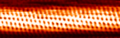 Chiraltube
 -
Kohlenstoffnanoroehre Animation
-
ZigzagCNT
-
ArmchairCNT
-
Nanotube strip +03 +01
-
Nanotube strip master
-
Nanotube strip +01 +03
-
Nanotube strip +02 +02
-
Nanotube strip +03 000
-
Nanotube strip +01 000
-
Nanotube strip +02 000


Medical Disclaimer: WikiMD is for informational purposes only and is not a substitute for professional medical advice. Content may be inaccurate or outdated and should not be used for diagnosis or treatment. Always consult your healthcare provider for medical decisions. Verify information with trusted sources such as CDC.gov and NIH.gov. By using this site, you agree that WikiMD is not liable for any outcomes related to its content. See full disclaimer.
Credits:Most images are courtesy of Wikimedia commons, and templates, categories Wikipedia, licensed under CC BY SA or similar.
Translate page: - East Asian
中文,
日本,
한국어,
South Asian
हिन्दी,
தமிழ்,
తెలుగు,
Urdu,
ಕನ್ನಡ,
Southeast Asian
Indonesian,
Vietnamese,
Thai,
မြန်မာဘာသာ,
বাংলা
European
español,
Deutsch,
français,
Greek,
português do Brasil,
polski,
română,
русский,
Nederlands,
norsk,
svenska,
suomi,
Italian
Middle Eastern & African
عربى,
Turkish,
Persian,
Hebrew,
Afrikaans,
isiZulu,
Kiswahili,
Other
Bulgarian,
Hungarian,
Czech,
Swedish,
മലയാളം,
मराठी,
ਪੰਜਾਬੀ,
ગુજરાતી,
Portuguese,
Ukrainian


