Involuntary treatment
Involuntary treatment refers to medical or psychological intervention administered without the consent of the individual concerned. This practice is often used in psychiatric hospitals and can be a contentious issue due to the ethical implications of treating a person against their will.
Overview[edit]
Involuntary treatment, also known as compulsory treatment, is a measure taken when an individual is deemed a danger to themselves or others due to a mental health disorder. This can include situations where the person is unable to make informed decisions about their health due to their mental state. The treatment can involve medication, therapy, or hospitalization.
Legal Aspects[edit]
The legal aspects of involuntary treatment vary by country and state. In many jurisdictions, there are strict criteria that must be met before involuntary treatment can be administered. These often include a formal assessment by a mental health professional and a court order.
Ethical Considerations[edit]
The ethical considerations of involuntary treatment are complex. On one hand, it can be argued that it is necessary to protect the individual and society. On the other hand, it can be seen as a violation of a person's autonomy and rights.
Types of Involuntary Treatment[edit]
There are several types of involuntary treatment, including:
- Involuntary commitment: This involves the forced hospitalization of a person who is deemed a danger to themselves or others due to a mental health disorder.
- Outpatient commitment: This involves a court order that requires a person to comply with a treatment plan while living in the community.
- Emergency commitment: This involves the temporary hospitalization of a person who is in immediate danger due to a mental health crisis.
See Also[edit]

This WikiMD article can only be edited by registered and verified editors. You can log in or register.
-
Man in restraint chair by H. Clarke, 1869
-
 Pinel Restraint
 -
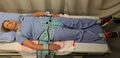
Involuntary treatment
-
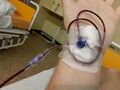 Blood transfusion
 -
A young boy after an injection
-
Protest graffiti against TSO Torino
-
André Franquin poster for Amnesty International


Medical Disclaimer: WikiMD is for informational purposes only and is not a substitute for professional medical advice. Content may be inaccurate or outdated and should not be used for diagnosis or treatment. Always consult your healthcare provider for medical decisions. Verify information with trusted sources such as CDC.gov and NIH.gov. By using this site, you agree that WikiMD is not liable for any outcomes related to its content. See full disclaimer.
Credits:Most images are courtesy of Wikimedia commons, and templates, categories Wikipedia, licensed under CC BY SA or similar.
Translate page: - East Asian
中文,
日本,
한국어,
South Asian
हिन्दी,
தமிழ்,
తెలుగు,
Urdu,
ಕನ್ನಡ,
Southeast Asian
Indonesian,
Vietnamese,
Thai,
မြန်မာဘာသာ,
বাংলা
European
español,
Deutsch,
français,
Greek,
português do Brasil,
polski,
română,
русский,
Nederlands,
norsk,
svenska,
suomi,
Italian
Middle Eastern & African
عربى,
Turkish,
Persian,
Hebrew,
Afrikaans,
isiZulu,
Kiswahili,
Other
Bulgarian,
Hungarian,
Czech,
Swedish,
മലയാളം,
मराठी,
ਪੰਜਾਬੀ,
ગુજરાતી,
Portuguese,
Ukrainian


.JPG)


