Kurdish cuisine
Kurdish cuisine is a rich and diverse culinary tradition that reflects the history, geography, and culture of the Kurdish people. It is characterized by its use of fresh ingredients, aromatic spices, and traditional cooking techniques. Kurdish cuisine is influenced by the regions where Kurds live, including parts of Turkey, Iran, Iraq, and Syria.
Ingredients[edit]
Kurdish cuisine makes extensive use of grains, vegetables, and meats. Common ingredients include:
- Grains: Wheat, barley, and rice are staples in Kurdish cooking. Bread, such as naan and lavash, is a fundamental part of every meal.
- Vegetables: Eggplant, tomatoes, onions, and peppers are frequently used in Kurdish dishes.
- Meats: Lamb, chicken, and beef are the primary meats, often grilled or stewed.
- Spices and Herbs: Cumin, turmeric, sumac, and mint are commonly used to flavor dishes.
Traditional Dishes[edit]
Kurdish cuisine features a variety of traditional dishes, each with its unique flavors and preparation methods.
- Dolma: Vegetables such as peppers, tomatoes, and grape leaves stuffed with a mixture of rice, meat, and spices.
- Kebab: Grilled skewers of meat, often served with rice or bread.
- Biryani: A fragrant rice dish cooked with meat, vegetables, and a blend of spices.
- Kofta: Spiced meatballs made from ground lamb or beef, often served in a tomato-based sauce.
Beverages[edit]
Kurdish people enjoy a variety of beverages, both hot and cold.
- Tea: A staple in Kurdish culture, often served sweetened and with meals.
- Ayran: A refreshing yogurt-based drink, sometimes flavored with mint.
- Sherbet: A sweet, fruit-flavored drink, often served on special occasions.
Desserts[edit]
Kurdish desserts are typically sweet and rich, often featuring nuts and honey.
- Baklava: Layers of filo pastry filled with nuts and sweetened with honey or syrup.
- Halva: A dense, sweet confection made from sesame paste or semolina.
- Kataifi: Shredded filo dough filled with nuts and soaked in syrup.
Cultural Significance[edit]
Food plays a central role in Kurdish culture, serving as a means of bringing people together. Meals are often communal, with families and friends gathering to share food and stories. Traditional Kurdish hospitality is renowned, with guests often being offered the best food available.
Related Pages[edit]
Template:Cuisine of the Middle East
-
 Kurdish cuisine
 -
 Kurdish kulere
 -
 Traditional Kurdish bread
 -
 Kurdish yogurt
 -
 Parda plaw dish
 -
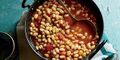 Kurdish beans soup
 -
 Kurdish kelane
 -
 Kurdish nan
 -
 Kurdish mastawe (dou)


.jpg)

Medical Disclaimer: WikiMD is for informational purposes only and is not a substitute for professional medical advice. Content may be inaccurate or outdated and should not be used for diagnosis or treatment. Always consult your healthcare provider for medical decisions. Verify information with trusted sources such as CDC.gov and NIH.gov. By using this site, you agree that WikiMD is not liable for any outcomes related to its content. See full disclaimer.
Credits:Most images are courtesy of Wikimedia commons, and templates, categories Wikipedia, licensed under CC BY SA or similar.
Translate page: - East Asian
中文,
日本,
한국어,
South Asian
हिन्दी,
தமிழ்,
తెలుగు,
Urdu,
ಕನ್ನಡ,
Southeast Asian
Indonesian,
Vietnamese,
Thai,
မြန်မာဘာသာ,
বাংলা
European
español,
Deutsch,
français,
Greek,
português do Brasil,
polski,
română,
русский,
Nederlands,
norsk,
svenska,
suomi,
Italian
Middle Eastern & African
عربى,
Turkish,
Persian,
Hebrew,
Afrikaans,
isiZulu,
Kiswahili,
Other
Bulgarian,
Hungarian,
Czech,
Swedish,
മലയാളം,
मराठी,
ਪੰਜਾਬੀ,
ગુજરાતી,
Portuguese,
Ukrainian

