Mosquito control
Mosquito control involves managing the population of mosquitoes to reduce their damage to human health, economies, and enjoyment of mosquito-ridden areas. Mosquito control is a vital public-health practice throughout the world and especially in the tropics because mosquitoes spread many diseases, such as malaria and dengue fever.
Methods of Control[edit]
There are several methods of mosquito control, including:
Source Reduction[edit]
Source reduction involves eliminating and managing mosquito breeding grounds. This can be done by reducing sources of standing water, such as flowerpots, containers, bird baths, pet dishes, and cans.
Biocontrol[edit]
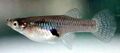
Biocontrol involves introducing natural enemies of the mosquito, such as dragonflies and bacteria, into the mosquito habitat.
Traps[edit]
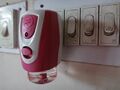
Mosquito traps can be used to attract and kill mosquitoes. These traps use a combination of light, heat, and carbon dioxide to lure mosquitoes.
Chemical Control[edit]
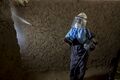
Chemical control involves the use of pesticides to kill mosquitoes. This can be done through fogging or spraying insecticides in large areas.
Genetic Control[edit]
Genetic control involves altering the genetic structure of the mosquito to reduce its ability to transmit diseases.
Health Risks[edit]
Mosquitoes are known to transmit serious diseases, including malaria, dengue fever, yellow fever, Zika virus, and West Nile virus. Mosquito control is a vital public-health practice throughout the world and especially in the tropics to prevent these diseases.
See Also[edit]

This WikiMD article can only be edited by registered and verified editors. You can log in or register.
-
Mosquito control
-
Mosquito control
-
Mosquito control
-
 Mosquito control
 -
 Mosquito control
 -
 Mosquito control
 -
 Mosquito control
 -
 Mosquito control
 -
 Mosquito control
 -
Mosquito control


.jpg)


Medical Disclaimer: WikiMD is for informational purposes only and is not a substitute for professional medical advice. Content may be inaccurate or outdated and should not be used for diagnosis or treatment. Always consult your healthcare provider for medical decisions. Verify information with trusted sources such as CDC.gov and NIH.gov. By using this site, you agree that WikiMD is not liable for any outcomes related to its content. See full disclaimer.
Credits:Most images are courtesy of Wikimedia commons, and templates, categories Wikipedia, licensed under CC BY SA or similar.
Translate page: - East Asian
中文,
日本,
한국어,
South Asian
हिन्दी,
தமிழ்,
తెలుగు,
Urdu,
ಕನ್ನಡ,
Southeast Asian
Indonesian,
Vietnamese,
Thai,
မြန်မာဘာသာ,
বাংলা
European
español,
Deutsch,
français,
Greek,
português do Brasil,
polski,
română,
русский,
Nederlands,
norsk,
svenska,
suomi,
Italian
Middle Eastern & African
عربى,
Turkish,
Persian,
Hebrew,
Afrikaans,
isiZulu,
Kiswahili,
Other
Bulgarian,
Hungarian,
Czech,
Swedish,
മലയാളം,
मराठी,
ਪੰਜਾਬੀ,
ગુજરાતી,
Portuguese,
Ukrainian


_East,_removes_a_Light_Trap_provided_by_the_Centers_for_Disease_Control_(CDC)_from_a_tent_city_area_on_board_NAS_JRB_New_Orleans.jpg)

