Muscarine
Muscarine is a natural product found in certain mushrooms, particularly in the Amanita, Inocybe, and Clitocybe species, which are known to be toxic. It is a potent agonist for the muscarinic acetylcholine receptors (mAChRs) in the peripheral nervous system and the central nervous system. The compound was first isolated in 1869 by German pharmacologist Oswald Schmiedeberg, and its structure was elucidated in the early 20th century.
Chemistry[edit]
Muscarine is classified as a natural alkaloid, and its chemical structure is characterized by a tetrahydropyridine ring attached to a quaternary ammonium group. This structure is responsible for its action as a muscarinic receptor agonist. Unlike Nicotine, which is a nicotinic acetylcholine receptor agonist, muscarine specifically binds to muscarinic receptors, which are G protein-coupled receptors.
Pharmacology[edit]
Upon binding to muscarinic receptors, muscarine mimics the action of the neurotransmitter Acetylcholine, leading to various physiological effects. These receptors are widely distributed throughout the body and are involved in numerous functions, including smooth muscle contraction, glandular secretion, heart rate modulation, and modulation of neurotransmission in the central nervous system.
Toxicity[edit]
Muscarine is primarily known for its toxic effects when ingested, leading to a condition known as muscarine poisoning or muscarinic syndrome. The symptoms of muscarine poisoning include excessive salivation, sweating, lacrimation, miosis (constriction of the pupils), bradycardia (slow heart rate), abdominal pain, vomiting, diarrhea, and in severe cases, respiratory failure leading to death. These symptoms are a direct result of the overstimulation of muscarinic receptors.
Treatment of muscarine poisoning involves the administration of Atropine, a competitive antagonist of the muscarinic acetylcholine receptors, which can reverse the effects of muscarine.
Occurrence[edit]
Muscarine is found in a variety of mushroom species, most notably in the genera Amanita, Inocybe, and Clitocybe. Not all mushrooms in these genera contain muscarine, and the concentration of the toxin can vary widely among species and even within individual mushrooms. It is important for foragers and mushroom enthusiasts to be aware of the potential for muscarine poisoning and to accurately identify mushrooms before consumption.
Historical and Cultural Aspects[edit]
The discovery and study of muscarine contributed significantly to the understanding of neurotransmission and the role of acetylcholine in the nervous system. The differentiation between muscarinic and nicotinic acetylcholine receptors was a major milestone in pharmacology and neuroscience.
In some cultures, mushrooms containing muscarine have been used for their psychoactive properties in religious and ceremonial contexts. However, due to the risk of poisoning, such practices are dangerous and not recommended.
See Also[edit]

 | This mycology-related article is a stub. You can help WikiMD by expanding the page. |
Muscarine[edit]
-
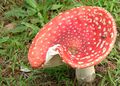 Amanita muscaria
 -
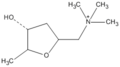 2S-muscarine
 -
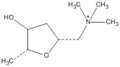 2R-Muscarin
 -
Synthesis of (+)-muscarin


Medical Disclaimer: WikiMD is for informational purposes only and is not a substitute for professional medical advice. Content may be inaccurate or outdated and should not be used for diagnosis or treatment. Always consult your healthcare provider for medical decisions. Verify information with trusted sources such as CDC.gov and NIH.gov. By using this site, you agree that WikiMD is not liable for any outcomes related to its content. See full disclaimer.
Credits:Most images are courtesy of Wikimedia commons, and templates, categories Wikipedia, licensed under CC BY SA or similar.
Translate page: - East Asian
中文,
日本,
한국어,
South Asian
हिन्दी,
தமிழ்,
తెలుగు,
Urdu,
ಕನ್ನಡ,
Southeast Asian
Indonesian,
Vietnamese,
Thai,
မြန်မာဘာသာ,
বাংলা
European
español,
Deutsch,
français,
Greek,
português do Brasil,
polski,
română,
русский,
Nederlands,
norsk,
svenska,
suomi,
Italian
Middle Eastern & African
عربى,
Turkish,
Persian,
Hebrew,
Afrikaans,
isiZulu,
Kiswahili,
Other
Bulgarian,
Hungarian,
Czech,
Swedish,
മലയാളം,
मराठी,
ਪੰਜਾਬੀ,
ગુજરાતી,
Portuguese,
Ukrainian


-muscarin.gif)