Nictitating membrane
The nictitating membrane is a transparent or translucent third eyelid present in some animals that can be drawn across the eye for protection and to moisten it while maintaining visibility. Some reptiles, birds, and sharks have full nictitating membranes; in many mammals, a small, vestigial portion of the membrane remains in the corner of the eye. Some mammals, such as camels, polar bears, seals and aardvarks, have full nictitating membranes. Often called a third eyelid or haw, it may be referred to in scientific terminology as the plica semilunaris, membrana nictitans, or palpebra tertia.
Function[edit]
The nictitating membrane serves three significant purposes: protection, moisture, and visibility. When an animal's eye is exposed to potential harm, the nictitating membrane will act as a barrier and will protect the eye from damage. It also moistens the eye while cleaning any debris that may be present. Unlike the upper and lower eyelids, the nictitating membrane moves horizontally across the eye, starting from the side near the nose. In most primate species, a small, vestigial remnant of the membrane remains, known as the plica semilunaris.
In different animals[edit]
Birds[edit]
In birds, the nictitating membrane also functions in the same way as in other animals. It protects and moistens the eye while the bird is flying. Birds of prey, such as hawks and eagles, have a well-developed nictitating membrane.
Reptiles[edit]
Reptiles, like turtles and snakes, also have a nictitating membrane. It helps them to protect their eyes from dust and dirt while they are moving on the ground.
Sharks[edit]
Sharks have a very well-developed nictitating membrane that covers their eyes while they are hunting and eating. This helps to protect their eyes from debris and from the thrashing of their prey.
See also[edit]
References[edit]

This WikiMD article can only be edited by registered and verified editors. You can log in or register.
-
Bird blink
-
Nictating membrane of a blue shark
-
Haliaeetus leucocephalus
-
Third eyelid on a domestic dog
-
Common Goldeneye showing nictitating membrane
-
Salad waking up from a nap
-
Common buzzard yawning, with nictitating membrane visible, in slow motion
-
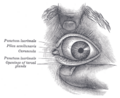 Gray892


Medical Disclaimer: WikiMD is for informational purposes only and is not a substitute for professional medical advice. Content may be inaccurate or outdated and should not be used for diagnosis or treatment. Always consult your healthcare provider for medical decisions. Verify information with trusted sources such as CDC.gov and NIH.gov. By using this site, you agree that WikiMD is not liable for any outcomes related to its content. See full disclaimer.
Credits:Most images are courtesy of Wikimedia commons, and templates, categories Wikipedia, licensed under CC BY SA or similar.
Translate page: - East Asian
中文,
日本,
한국어,
South Asian
हिन्दी,
தமிழ்,
తెలుగు,
Urdu,
ಕನ್ನಡ,
Southeast Asian
Indonesian,
Vietnamese,
Thai,
မြန်မာဘာသာ,
বাংলা
European
español,
Deutsch,
français,
Greek,
português do Brasil,
polski,
română,
русский,
Nederlands,
norsk,
svenska,
suomi,
Italian
Middle Eastern & African
عربى,
Turkish,
Persian,
Hebrew,
Afrikaans,
isiZulu,
Kiswahili,
Other
Bulgarian,
Hungarian,
Czech,
Swedish,
മലയാളം,
मराठी,
ਪੰਜਾਬੀ,
ગુજરાતી,
Portuguese,
Ukrainian


