Perianal cellulitis

Editor-In-Chief: Prab R Tumpati, MD
Obesity, Sleep & Internal medicine
Founder, WikiMD Wellnesspedia &
W8MD's weight loss doctor NYC
Philadelphia GLP-1 weight loss and GLP-1 clinic NYC
| Perianal cellulitis | |
|---|---|
| Synonyms | Perianal streptococcal dermatitis |
| Pronounce | N/A |
| Specialty | Dermatology, Pediatrics |
| Symptoms | Redness, itching, pain around the anus |
| Complications | Sepsis, abscess formation |
| Onset | Typically in children |
| Duration | Varies, can be chronic if untreated |
| Types | N/A |
| Causes | Streptococcus pyogenes infection |
| Risks | Close contact with infected individuals, poor hygiene |
| Diagnosis | Clinical examination, culture of perianal swab |
| Differential diagnosis | Contact dermatitis, Candidiasis, Psoriasis |
| Prevention | Good hygiene practices, avoiding contact with infected individuals |
| Treatment | Antibiotics such as penicillin or amoxicillin |
| Medication | Topical or oral antibiotics |
| Prognosis | Good with treatment |
| Frequency | Common in children |
| Deaths | N/A |
Perianal cellulitis is a bacterial infection of the skin and tissues around the anus. It is also known as perirectal cellulitis. This condition is often caused by Streptococcus or Staphylococcus bacteria, which are commonly found on the skin.
Symptoms[edit]
The symptoms of perianal cellulitis can vary, but often include:
- Redness and swelling around the anus
- Pain or discomfort, especially when sitting or having a bowel movement
- Itching around the anus
- Possible fever
Causes[edit]
Perianal cellulitis is usually caused by a bacterial infection. The bacteria can enter the skin through a small cut or abrasion, or through the anal opening. The most common types of bacteria that cause perianal cellulitis are Streptococcus and Staphylococcus.
Diagnosis[edit]
A doctor can usually diagnose perianal cellulitis by examining the affected area. In some cases, a swab of the area may be taken to identify the type of bacteria causing the infection.
Treatment[edit]
Treatment for perianal cellulitis usually involves antibiotics to kill the bacteria causing the infection. In severe cases, hospitalization may be required.
Prevention[edit]
Good hygiene can help prevent perianal cellulitis. This includes washing the anal area thoroughly and keeping it dry, and avoiding scratching or rubbing the area.
Perianal_cellulitis images[edit]
-
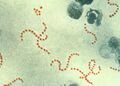 Streptococcus pyogenes
 -
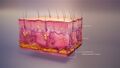 Perianal cellulitis


See also[edit]


Medical Disclaimer: WikiMD is for informational purposes only and is not a substitute for professional medical advice. Content may be inaccurate or outdated and should not be used for diagnosis or treatment. Always consult your healthcare provider for medical decisions. Verify information with trusted sources such as CDC.gov and NIH.gov. By using this site, you agree that WikiMD is not liable for any outcomes related to its content. See full disclaimer.
Credits:Most images are courtesy of Wikimedia commons, and templates, categories Wikipedia, licensed under CC BY SA or similar.
Translate page: - East Asian
中文,
日本,
한국어,
South Asian
हिन्दी,
தமிழ்,
తెలుగు,
Urdu,
ಕನ್ನಡ,
Southeast Asian
Indonesian,
Vietnamese,
Thai,
မြန်မာဘာသာ,
বাংলা
European
español,
Deutsch,
français,
Greek,
português do Brasil,
polski,
română,
русский,
Nederlands,
norsk,
svenska,
suomi,
Italian
Middle Eastern & African
عربى,
Turkish,
Persian,
Hebrew,
Afrikaans,
isiZulu,
Kiswahili,
Other
Bulgarian,
Hungarian,
Czech,
Swedish,
മലയാളം,
मराठी,
ਪੰਜਾਬੀ,
ગુજરાતી,
Portuguese,
Ukrainian


