Pharmaceutical distribution
Pharmaceutical distribution refers to the process of delivering medications and other healthcare products from the point of manufacture to the point of use. This involves a complex network of various entities, including manufacturers, wholesalers, pharmacies, hospitals, and patients.
Etymology[edit]
The term "pharmaceutical" is derived from the Greek word "pharmakeia," which means "use of drugs, medicines, potions, or spells; poisoning, witchcraft." The term "distribution" comes from the Latin word "distributio," which means "a division or distribution."
Process[edit]
The pharmaceutical industry produces drugs and other healthcare products. These products are then distributed to various entities in the healthcare system. The distribution process typically involves the following steps:
- Manufacturing: The pharmaceutical company manufactures the drugs and other healthcare products.
- Wholesale: The products are sold to wholesalers, who buy in bulk and store the products in their warehouses.
- Retail: The wholesalers sell the products to pharmacies and hospitals.
- Patient: The pharmacies and hospitals provide the products to patients.
Entities involved[edit]
The pharmaceutical distribution process involves various entities, including:
- Pharmaceutical companies: These are the manufacturers of drugs and other healthcare products.
- Wholesalers: These entities buy products in bulk from manufacturers and sell them to pharmacies and hospitals.
- Pharmacies: These are retail outlets where patients can buy drugs and other healthcare products.
- Hospitals: These are healthcare institutions that provide treatment and care to patients. They also buy drugs and other healthcare products from wholesalers.
- Patients: These are the end-users of the drugs and other healthcare products.
Challenges[edit]
The pharmaceutical distribution process faces several challenges, including:
- Counterfeit drugs: The World Health Organization estimates that 10% of drugs worldwide are counterfeit. This poses a significant risk to patient safety.
- Supply chain inefficiencies: The complex nature of the pharmaceutical supply chain can lead to inefficiencies, such as stockouts and wastage.
- Regulatory compliance: Pharmaceutical companies, wholesalers, and pharmacies must comply with various regulations to ensure the safety and efficacy of their products.
See also[edit]

This WikiMD article can only be edited by registered and verified editors. You can log in or register.
-
 Examining bulk drug containers
 -
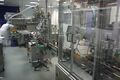 Laboratoires Arkopharma - Packaging line
 -
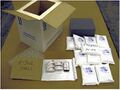 Cold control packaging
_(8250838700).jpg)


Medical Disclaimer: WikiMD is for informational purposes only and is not a substitute for professional medical advice. Content may be inaccurate or outdated and should not be used for diagnosis or treatment. Always consult your healthcare provider for medical decisions. Verify information with trusted sources such as CDC.gov and NIH.gov. By using this site, you agree that WikiMD is not liable for any outcomes related to its content. See full disclaimer.
Credits:Most images are courtesy of Wikimedia commons, and templates, categories Wikipedia, licensed under CC BY SA or similar.
Translate page: - East Asian
中文,
日本,
한국어,
South Asian
हिन्दी,
தமிழ்,
తెలుగు,
Urdu,
ಕನ್ನಡ,
Southeast Asian
Indonesian,
Vietnamese,
Thai,
မြန်မာဘာသာ,
বাংলা
European
español,
Deutsch,
français,
Greek,
português do Brasil,
polski,
română,
русский,
Nederlands,
norsk,
svenska,
suomi,
Italian
Middle Eastern & African
عربى,
Turkish,
Persian,
Hebrew,
Afrikaans,
isiZulu,
Kiswahili,
Other
Bulgarian,
Hungarian,
Czech,
Swedish,
മലയാളം,
मराठी,
ਪੰਜਾਬੀ,
ગુજરાતી,
Portuguese,
Ukrainian

