Pickled fruit
Pickled fruit is a type of preserved food that has been fermented in a brine or vinegar, often with various spices. This process is known as pickling, and the resulting product can be stored for extended periods of time without refrigeration.
History[edit]
The practice of pickling fruit has been traced back to ancient times, with evidence of pickled fruits found in Mesopotamia around 2400 BC. The process was used as a means of preserving fruits for out-of-season use and for long journeys, especially by sea.
Process[edit]
Pickling fruit involves soaking the fruit in a solution of vinegar or brine, often with added sugar, spices, and other flavorings. The fruit is typically left to soak for a period of time, during which the acidity of the solution prevents the growth of microorganisms that cause food to spoil.
Types of Pickled Fruits[edit]
There are many types of pickled fruits, including pickles, pickled onions, and pickled herrings. In addition, many cultures have their own unique types of pickled fruits, such as umeboshi, a type of pickled plum popular in Japan.
Health Benefits[edit]
Pickled fruits are a source of probiotics, which are beneficial bacteria that can improve digestive health. They are also low in calories and high in vitamins and minerals, making them a healthy addition to many diets.
See Also[edit]

-
 Pickled fruit
 -
Pickled fruit
-
Pickled fruit
-
Pickled fruit
-
Pickled fruit
-
Pickled fruit
-
Pickled fruit
-
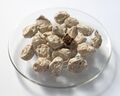 Pickled fruit
 -
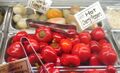 Pickled fruit
 -
Pickled fruit
-
Pickled fruit
-
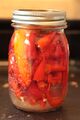 Pickled fruit


Medical Disclaimer: WikiMD is for informational purposes only and is not a substitute for professional medical advice. Content may be inaccurate or outdated and should not be used for diagnosis or treatment. Always consult your healthcare provider for medical decisions. Verify information with trusted sources such as CDC.gov and NIH.gov. By using this site, you agree that WikiMD is not liable for any outcomes related to its content. See full disclaimer.
Credits:Most images are courtesy of Wikimedia commons, and templates, categories Wikipedia, licensed under CC BY SA or similar.
Translate page: - East Asian
中文,
日本,
한국어,
South Asian
हिन्दी,
தமிழ்,
తెలుగు,
Urdu,
ಕನ್ನಡ,
Southeast Asian
Indonesian,
Vietnamese,
Thai,
မြန်မာဘာသာ,
বাংলা
European
español,
Deutsch,
français,
Greek,
português do Brasil,
polski,
română,
русский,
Nederlands,
norsk,
svenska,
suomi,
Italian
Middle Eastern & African
عربى,
Turkish,
Persian,
Hebrew,
Afrikaans,
isiZulu,
Kiswahili,
Other
Bulgarian,
Hungarian,
Czech,
Swedish,
മലയാളം,
मराठी,
ਪੰਜਾਬੀ,
ગુજરાતી,
Portuguese,
Ukrainian


.jpg)

.jpg)


