Proboscis
A Proboscis is an elongated appendage from the head of an animal, either a vertebrate or an invertebrate. In invertebrates, the term usually refers to tubular mouthparts used for feeding and sucking.
Invertebrates[edit]
In many insects, the proboscis is an elongated, flexible organ that some species use to feed on the nectar of flowers. For example, butterflies and moths have a long proboscis that they use to probe flowers for nectar. Some insects, such as mosquitoes and fleas, have a proboscis adapted for piercing the skin of plants or animals to suck their juices or blood.
Vertebrates[edit]
In vertebrates, a proboscis is an elongated nose or snout. The most familiar example is the elephant, which has a long, flexible proboscis that it uses for a variety of tasks, such as gathering food, drinking water, and social interactions.
Other uses[edit]
In some plants, the term "proboscis" is used to refer to long, tubular flowers or other structures that are adapted for pollination by insects with a long proboscis.
See also[edit]

This WikiMD article can only be edited by registered and verified editors. You can log in or register.
Proboscis[edit]
-
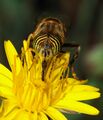 Eristalinus fly with proboscis
 -
Cathayacanthus spinitruncatus proboscis
-
Convolvulus hawk-moth with proboscis
-
Asian Elephant with proboscis


Medical Disclaimer: WikiMD is for informational purposes only and is not a substitute for professional medical advice. Content may be inaccurate or outdated and should not be used for diagnosis or treatment. Always consult your healthcare provider for medical decisions. Verify information with trusted sources such as CDC.gov and NIH.gov. By using this site, you agree that WikiMD is not liable for any outcomes related to its content. See full disclaimer.
Credits:Most images are courtesy of Wikimedia commons, and templates, categories Wikipedia, licensed under CC BY SA or similar.
Translate page: - East Asian
中文,
日本,
한국어,
South Asian
हिन्दी,
தமிழ்,
తెలుగు,
Urdu,
ಕನ್ನಡ,
Southeast Asian
Indonesian,
Vietnamese,
Thai,
မြန်မာဘာသာ,
বাংলা
European
español,
Deutsch,
français,
Greek,
português do Brasil,
polski,
română,
русский,
Nederlands,
norsk,
svenska,
suomi,
Italian
Middle Eastern & African
عربى,
Turkish,
Persian,
Hebrew,
Afrikaans,
isiZulu,
Kiswahili,
Other
Bulgarian,
Hungarian,
Czech,
Swedish,
മലയാളം,
मराठी,
ਪੰਜਾਬੀ,
ગુજરાતી,
Portuguese,
Ukrainian


_2.jpg)
