Rapid sequence induction
Rapid sequence induction (RSI), also known as rapid sequence intubation or rapid sequence induction and intubation (RSII), is a medical procedure involving a prompt induction of general anesthesia and subsequent tracheal intubation. This technique is commonly used in emergency situations to secure the patient's airway, prevent aspiration, and facilitate ventilation.
Indications[edit]
RSI is typically indicated in situations where the patient's airway is at risk, such as in cases of trauma, sepsis, and cardiac arrest. It may also be used in patients with a full stomach, pregnancy, or other conditions that increase the risk of aspiration.
Procedure[edit]
The procedure involves the administration of a potent sedative or anesthetic agent, followed by a rapid-acting muscle relaxant. This is done to induce unconsciousness and paralysis as quickly as possible, allowing for the immediate insertion of a tracheal tube.
Complications[edit]
Potential complications of RSI include hypoxia, hypotension, cardiac arrest, and damage to the airway. These risks can be minimized with proper technique and monitoring.
See also[edit]
References[edit]

This WikiMD article can only be edited by registered and verified editors. You can log in or register.
-
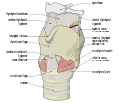 Rapid sequence induction
 -
Rapid sequence induction


Medical Disclaimer: WikiMD is for informational purposes only and is not a substitute for professional medical advice. Content may be inaccurate or outdated and should not be used for diagnosis or treatment. Always consult your healthcare provider for medical decisions. Verify information with trusted sources such as CDC.gov and NIH.gov. By using this site, you agree that WikiMD is not liable for any outcomes related to its content. See full disclaimer.
Credits:Most images are courtesy of Wikimedia commons, and templates, categories Wikipedia, licensed under CC BY SA or similar.
Translate page: - East Asian
中文,
日本,
한국어,
South Asian
हिन्दी,
தமிழ்,
తెలుగు,
Urdu,
ಕನ್ನಡ,
Southeast Asian
Indonesian,
Vietnamese,
Thai,
မြန်မာဘာသာ,
বাংলা
European
español,
Deutsch,
français,
Greek,
português do Brasil,
polski,
română,
русский,
Nederlands,
norsk,
svenska,
suomi,
Italian
Middle Eastern & African
عربى,
Turkish,
Persian,
Hebrew,
Afrikaans,
isiZulu,
Kiswahili,
Other
Bulgarian,
Hungarian,
Czech,
Swedish,
മലയാളം,
मराठी,
ਪੰਜਾਬੀ,
ગુજરાતી,
Portuguese,
Ukrainian


