Sewage sludge
Sewage sludge is a byproduct of the treatment of sewage and wastewater. It is a semi-solid slurry that can be safely reused if properly treated, but can also pose environmental and health risks if improperly managed.
Overview[edit]
Sewage sludge is produced from the process of treating sewage in a wastewater treatment plant. The sludge is separated from the treated water through a process of sedimentation. After the water is removed, the remaining solids are the sewage sludge.
Composition[edit]
The composition of sewage sludge varies depending on the source of the wastewater and the treatment process. It typically contains organic material, inorganic material, pathogens, and trace amounts of heavy metals.
Organic Material[edit]
The organic material in sewage sludge includes proteins, carbohydrates, lipids, and other organic compounds. These materials are derived from human waste, food waste, and other organic materials that enter the sewage system.
Inorganic Material[edit]
The inorganic material in sewage sludge includes sand, grit, and other inorganic compounds. These materials are derived from soil and other inorganic materials that enter the sewage system.
Pathogens[edit]
Sewage sludge can contain a variety of pathogens, including bacteria, viruses, and parasites. These pathogens can pose a risk to human health if the sludge is not properly treated.
Heavy Metals[edit]
Sewage sludge can contain trace amounts of heavy metals, including lead, mercury, and cadmium. These metals can pose a risk to human health and the environment if the sludge is not properly managed.
Treatment[edit]
Sewage sludge is typically treated to reduce the amount of pathogens and heavy metals. The treatment process can include digestion, dewatering, and drying.
Reuse[edit]
Treated sewage sludge can be reused in a variety of ways, including as a soil conditioner, a source of energy, or a raw material in industrial processes.
Risks[edit]
Improperly managed sewage sludge can pose risks to human health and the environment. These risks can include exposure to pathogens and heavy metals, as well as the potential for water and soil contamination.
See Also[edit]

This WikiMD article can only be edited by registered and verified editors. You can log in or register.
-
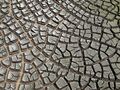 Desiccation cracks
 -
 Sewage sludge settles to bottom of beaker
 -
 Shovel excavator loading the sewage sludge
 -
 Microplastic sewage sludge spread fields per year
 -
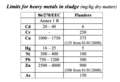 EU heavy metal limits


.jpg)


Medical Disclaimer: WikiMD is for informational purposes only and is not a substitute for professional medical advice. Content may be inaccurate or outdated and should not be used for diagnosis or treatment. Always consult your healthcare provider for medical decisions. Verify information with trusted sources such as CDC.gov and NIH.gov. By using this site, you agree that WikiMD is not liable for any outcomes related to its content. See full disclaimer.
Credits:Most images are courtesy of Wikimedia commons, and templates, categories Wikipedia, licensed under CC BY SA or similar.
Translate page: - East Asian
中文,
日本,
한국어,
South Asian
हिन्दी,
தமிழ்,
తెలుగు,
Urdu,
ಕನ್ನಡ,
Southeast Asian
Indonesian,
Vietnamese,
Thai,
မြန်မာဘာသာ,
বাংলা
European
español,
Deutsch,
français,
Greek,
português do Brasil,
polski,
română,
русский,
Nederlands,
norsk,
svenska,
suomi,
Italian
Middle Eastern & African
عربى,
Turkish,
Persian,
Hebrew,
Afrikaans,
isiZulu,
Kiswahili,
Other
Bulgarian,
Hungarian,
Czech,
Swedish,
മലയാളം,
मराठी,
ਪੰਜਾਬੀ,
ગુજરાતી,
Portuguese,
Ukrainian

