Sexology
Sexology is the scientific study of human sexuality, including human sexual interests, behaviors, and functions. The term was first used in the late 19th century by a German psychologist, Richard von Krafft-Ebing, who conducted one of the first recorded studies of sexual behavior.
History[edit]
The history of sexology begins with the works of Richard von Krafft-Ebing and Havelock Ellis. Both were pioneers in the field, with Krafft-Ebing coining the term "sexology" and Ellis conducting some of the first comprehensive studies of sexual behavior.
Branches of Sexology[edit]
Sexology is a multidisciplinary field and includes several branches, such as:
- Clinical sexology: This branch focuses on the diagnosis and treatment of sexual dysfunctions and disorders.
- Developmental sexology: This branch studies the development of sexual behavior and orientation from infancy to adulthood.
- Forensic sexology: This branch deals with the legal aspects of sexual behavior, including sexual crimes and legal issues related to sexuality.
- Sexual education: This branch focuses on the education of individuals about sexual behavior, sexual health, and sexual relationships.
Notable Sexologists[edit]
Some of the most notable sexologists include:
- Richard von Krafft-Ebing: A German psychiatrist and author of the seminal work "Psychopathia Sexualis".
- Havelock Ellis: An English physician, writer, and social reformer who studied human sexuality.
- Alfred Kinsey: An American biologist, professor of entomology and zoology, and sexologist who founded the Institute for Sex Research at Indiana University.
- Masters and Johnson: A research team consisting of William H. Masters and Virginia E. Johnson, who were pioneers in the study of human sexuality.
See Also[edit]

This WikiMD article can only be edited by registered and verified editors. You can log in or register.
-
 Havelock Ellis
 -
 Berlin Book Burning 1933
 -
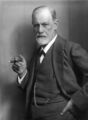 Sigmund Freud
 -
Magnus Hirschfeld
-
Alfred Kinsey
,_Psychologist_and_Biologist_(2575987702)_crop.jpg)

.jpg)

Medical Disclaimer: WikiMD is for informational purposes only and is not a substitute for professional medical advice. Content may be inaccurate or outdated and should not be used for diagnosis or treatment. Always consult your healthcare provider for medical decisions. Verify information with trusted sources such as CDC.gov and NIH.gov. By using this site, you agree that WikiMD is not liable for any outcomes related to its content. See full disclaimer.
Credits:Most images are courtesy of Wikimedia commons, and templates, categories Wikipedia, licensed under CC BY SA or similar.
Translate page: - East Asian
中文,
日本,
한국어,
South Asian
हिन्दी,
தமிழ்,
తెలుగు,
Urdu,
ಕನ್ನಡ,
Southeast Asian
Indonesian,
Vietnamese,
Thai,
မြန်မာဘာသာ,
বাংলা
European
español,
Deutsch,
français,
Greek,
português do Brasil,
polski,
română,
русский,
Nederlands,
norsk,
svenska,
suomi,
Italian
Middle Eastern & African
عربى,
Turkish,
Persian,
Hebrew,
Afrikaans,
isiZulu,
Kiswahili,
Other
Bulgarian,
Hungarian,
Czech,
Swedish,
മലയാളം,
मराठी,
ਪੰਜਾਬੀ,
ગુજરાતી,
Portuguese,
Ukrainian


