Amanatsu
- Amanatsu
-
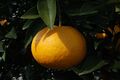 Citrus kawanonatsudaidai fruit
 -
Citrus kawanonatsudaidai
-
Citrus natsudaidai
-
Gardens with natsumikans in Hagi
-
 Amanatsu trees on Nokonoshima Island
 -
Citrus natsudaidai Melanose
-
Natsudaidai
-
Kusune Citrus natsudaidai


Amanatsu[edit]
Amanatsu (also known as amanatsu mikan or natsumikan) is a type of citrus fruit that is native to Japan. It is a hybrid fruit, believed to be a natural cross between a pomelo and an orange. The fruit is known for its sweet and slightly tart flavor, making it a popular choice for consumption in various forms.
Description[edit]
Amanatsu fruits are medium to large in size, with a bright yellow to orange skin that is relatively thick and easy to peel. The flesh of the fruit is juicy and segmented, similar to other citrus fruits. The taste of amanatsu is a balance of sweetness and acidity, which makes it refreshing and enjoyable to eat.
Cultivation[edit]
Amanatsu is primarily grown in the Yamaguchi Prefecture and other regions of Japan with a suitable climate for citrus cultivation. The trees thrive in well-drained soil and require a warm climate with plenty of sunlight. The fruit is typically harvested in the late winter to early spring months.
Uses[edit]
Amanatsu can be eaten fresh, juiced, or used in cooking and baking. It is often used to make marmalades, desserts, and beverages. The zest of the fruit is also used to add flavor to various dishes. In addition to its culinary uses, amanatsu is sometimes used in traditional Japanese medicine for its potential health benefits.
Nutritional Value[edit]
Like other citrus fruits, amanatsu is rich in vitamin C, which is important for maintaining a healthy immune system. It also contains dietary fiber, potassium, and other essential nutrients. The fruit is low in calories, making it a healthy snack option.
Related Pages[edit]

Medical Disclaimer: WikiMD is for informational purposes only and is not a substitute for professional medical advice. Content may be inaccurate or outdated and should not be used for diagnosis or treatment. Always consult your healthcare provider for medical decisions. Verify information with trusted sources such as CDC.gov and NIH.gov. By using this site, you agree that WikiMD is not liable for any outcomes related to its content. See full disclaimer.
Credits:Most images are courtesy of Wikimedia commons, and templates, categories Wikipedia, licensed under CC BY SA or similar.
Translate page: - East Asian
中文,
日本,
한국어,
South Asian
हिन्दी,
தமிழ்,
తెలుగు,
Urdu,
ಕನ್ನಡ,
Southeast Asian
Indonesian,
Vietnamese,
Thai,
မြန်မာဘာသာ,
বাংলা
European
español,
Deutsch,
français,
Greek,
português do Brasil,
polski,
română,
русский,
Nederlands,
norsk,
svenska,
suomi,
Italian
Middle Eastern & African
عربى,
Turkish,
Persian,
Hebrew,
Afrikaans,
isiZulu,
Kiswahili,
Other
Bulgarian,
Hungarian,
Czech,
Swedish,
മലയാളം,
मराठी,
ਪੰਜਾਬੀ,
ગુજરાતી,
Portuguese,
Ukrainian


