Citrus taxonomy
Citrus taxonomy refers to the botanical classification of the species, varieties, cultivars, and graft hybrids within the genus Citrus of the flowering Rutaceae family. The taxonomy of these species is complex and controversial, involving a mix of sexual hybridization, genetic mutation, and human intervention.
Overview[edit]
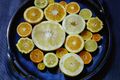
The genus Citrus is native to South Asia and Southeast Asia. It is believed to have originated in the Himalayas. The genus contains several species, including Citrus aurantium (bitter orange), Citrus maxima (pomelo), Citrus medica (citron), and Citrus reticulata (mandarin). These species have been used in the creation of many hybrids and cultivars, including the popular Citrus × limon (lemon) and Citrus × sinensis (sweet orange).
Taxonomy[edit]
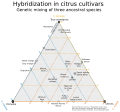
The taxonomy of Citrus species is complicated by their ability to interbreed and the existence of numerous cultivars and hybrids. The Swingle system, developed by American botanist Walter T. Swingle, is one of the most commonly used systems for citrus taxonomy. It recognizes a small number of pure species and a larger number of hybrids and cultivars.
Species[edit]
The four core species of the Citrus genus are:
- Citrus maxima (pomelo)
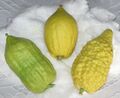
- Citrus medica (citron)
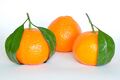
- Citrus reticulata (mandarin)
- Citrus aurantium (bitter orange)
Hybrids and Cultivars[edit]
Many of the common citrus fruits are hybrids of the core species. For example, the sweet orange (Citrus × sinensis) is a hybrid of pomelo and mandarin, while the lemon (Citrus × limon) is a hybrid of citron and either pomelo or sour orange.
Cultivation[edit]
Citrus fruits are cultivated in tropical and subtropical climates around the world. They are propagated by grafting to ensure the genetic identity of the new plants.
See also[edit]


-
 Citrus_taxonomy
 -
 Citrus_taxonomy
 -
Citrus_taxonomy
-
Citrus_taxonomy
-
 Citrus_taxonomy
 -
Citrus_taxonomy
-
Citrus_taxonomy
-
 Citrus_taxonomy
 -
Citrus_taxonomy
-
 Citrus_taxonomy
 -
Citrus_taxonomy
-
Citrus_taxonomy


.jpg)


Medical Disclaimer: WikiMD is for informational purposes only and is not a substitute for professional medical advice. Content may be inaccurate or outdated and should not be used for diagnosis or treatment. Always consult your healthcare provider for medical decisions. Verify information with trusted sources such as CDC.gov and NIH.gov. By using this site, you agree that WikiMD is not liable for any outcomes related to its content. See full disclaimer.
Credits:Most images are courtesy of Wikimedia commons, and templates, categories Wikipedia, licensed under CC BY SA or similar.
Translate page: - East Asian
中文,
日本,
한국어,
South Asian
हिन्दी,
தமிழ்,
తెలుగు,
Urdu,
ಕನ್ನಡ,
Southeast Asian
Indonesian,
Vietnamese,
Thai,
မြန်မာဘာသာ,
বাংলা
European
español,
Deutsch,
français,
Greek,
português do Brasil,
polski,
română,
русский,
Nederlands,
norsk,
svenska,
suomi,
Italian
Middle Eastern & African
عربى,
Turkish,
Persian,
Hebrew,
Afrikaans,
isiZulu,
Kiswahili,
Other
Bulgarian,
Hungarian,
Czech,
Swedish,
മലയാളം,
मराठी,
ਪੰਜਾਬੀ,
ગુજરાતી,
Portuguese,
Ukrainian


.jpg)


