Triparanol
A synthetic cholesterol-lowering drug
| Triparanol | |
|---|---|
|
|

Triparanol was a cholesterol-lowering drug that was developed in the 1950s and marketed in the early 1960s. It was withdrawn from the market due to adverse effects.
History[edit]
Triparanol was introduced as a cholesterol-lowering agent in the early 1960s. It was marketed under the brand name MER/29. The drug was one of the first synthetic agents used to lower cholesterol levels in the blood.
Mechanism of Action[edit]
Triparanol works by inhibiting the enzyme desmosterol _24-reductase, which is involved in the biosynthesis of cholesterol. This inhibition leads to the accumulation of desmosterol, a precursor in the cholesterol synthesis pathway, and a reduction in cholesterol levels.
Adverse Effects[edit]
Despite its effectiveness in lowering cholesterol, Triparanol was associated with several adverse effects. Patients reported side effects such as cataracts, alopecia, and skin disorders. These adverse effects were significant enough to lead to the withdrawal of the drug from the market.
Withdrawal from the Market[edit]
Due to the severe side effects, Triparanol was withdrawn from the market in 1962. The withdrawal highlighted the importance of thorough drug testing and monitoring for adverse effects.
Legacy[edit]
The case of Triparanol is often cited in discussions about drug safety and the importance of post-marketing surveillance. It serves as a reminder of the potential risks associated with new pharmaceuticals and the need for rigorous clinical trials.
Related pages[edit]
Triparanol[edit]
-
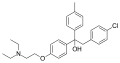 Triparanol

Medical Disclaimer: WikiMD is for informational purposes only and is not a substitute for professional medical advice. Content may be inaccurate or outdated and should not be used for diagnosis or treatment. Always consult your healthcare provider for medical decisions. Verify information with trusted sources such as CDC.gov and NIH.gov. By using this site, you agree that WikiMD is not liable for any outcomes related to its content. See full disclaimer.
Credits:Most images are courtesy of Wikimedia commons, and templates, categories Wikipedia, licensed under CC BY SA or similar.
Translate page: - East Asian
中文,
日本,
한국어,
South Asian
हिन्दी,
தமிழ்,
తెలుగు,
Urdu,
ಕನ್ನಡ,
Southeast Asian
Indonesian,
Vietnamese,
Thai,
မြန်မာဘာသာ,
বাংলা
European
español,
Deutsch,
français,
Greek,
português do Brasil,
polski,
română,
русский,
Nederlands,
norsk,
svenska,
suomi,
Italian
Middle Eastern & African
عربى,
Turkish,
Persian,
Hebrew,
Afrikaans,
isiZulu,
Kiswahili,
Other
Bulgarian,
Hungarian,
Czech,
Swedish,
മലയാളം,
मराठी,
ਪੰਜਾਬੀ,
ગુજરાતી,
Portuguese,
Ukrainian

